
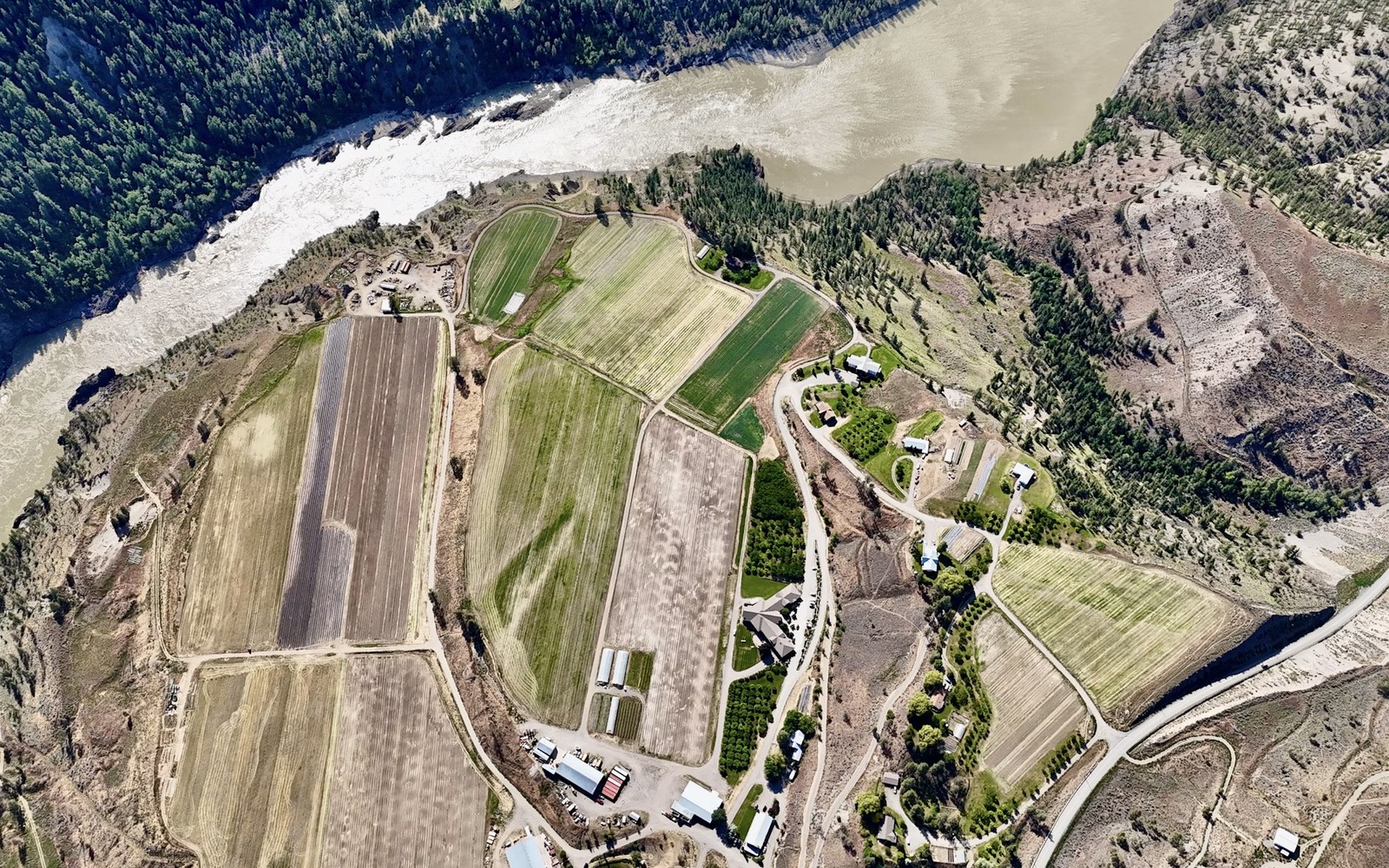
1031 From Farmland Into Minerals
Farmland and mineral rights look different on paper, but both are frequently treated as real property, which is the starting point for a like-kind exchange between them.
Farm and ranch owners exchanging out of agricultural land sometimes look at mineral rights as a replacement, especially if they're trying to move out of active land management without giving up real-property tax treatment. The like-kind standard for real property is broad, but the specifics of the mineral interest still matter.
This isn't tax advice, and qualified tax counsel should confirm eligibility for your specific transaction before you commit to a timeline built around it.
Why the exchange gets considered
Farmland owners are often looking for a lower-management alternative that still preserves the real-property tax treatment their exchange depends on. Mineral rights, held as a real property interest, can fit that goal since ownership requires no operational involvement the way land management does.
Whether this specific move works depends on how your farmland is held, how the mineral interest is structured, and what your tax counsel confirms about the exchange as a whole.
Timing considerations specific to farmland
Farmland sales sometimes carry seasonal or crop-related timing considerations that can interact with the 45-day identification and 180-day closing deadlines. If your sale timing is tied to a harvest, a lease term, or another agricultural schedule, coordinate that with your intermediary early so the exchange clock doesn't conflict with the farmland closing itself.
Mineral replacement candidates should be identified with enough lead time to complete diligence within whatever window remains once the farmland sale closes.
What to look for in a mineral replacement candidate
A defensible replacement candidate has a documented county file: the deed or instrument, legal description, and, for producing acreage, several months of division order statements. Farmland owners moving out of an actively managed asset often specifically value producing interests, since they generate income without operational involvement.
Non-producing acreage is a different risk profile and should be evaluated separately rather than assumed equivalent simply because both are technically mineral rights.
Where we fit in
We supply documented Texas mineral packages with the county file and production history ready for your advisers to review. We don't structure the exchange or provide tax advice, that stays with your qualified intermediary and tax counsel.
If you're exchanging out of farmland and want to know what a specific Texas mineral tract's documentation looks like, we can walk through that while your advisers handle the exchange mechanics.
Put exchange planning before the sale closes
Exchange planning begins before the owner receives or controls proceeds. A potential exchanger should consult a qualified intermediary and independent tax counsel before closing, then write identification and completion deadlines as calendar dates beside replacement-property research, financing, title, inspections, backup choices, and closing tasks.
Confirm the taxpayer and property character
The exchange file should compare the taxpayer and vesting on the relinquished interest with the planned replacement acquisition. Entity changes, trusts, estates, marital ownership, related parties, use, holding purpose, and property-character questions can affect the route and belong with qualified legal and tax advisers before contracts or instructions are final.
Build a real replacement-property packet
A replacement candidate needs more than a marketing summary. Gather the legal interest, title path, lease burdens, producing wells, revenue history, operator records, development evidence, valuation support, financing conditions, closing constraints, and adviser questions. Keep the evidence date and source attached so alternatives can be compared consistently.
Reconcile value, debt, cash, and closing evidence
Relinquished value, replacement value, debt paid, debt added, cash proceeds, transaction costs, reserves, and any retained amount should remain on separate lines. Archive contracts, assignments, identification notices, delivery evidence, settlement statements, intermediary statements, title records, financing documents, valuation support, adviser correspondence, and the final property schedule.
Write identification evidence exactly
The identification record should preserve the exact property description, delivery time, recipient, selection rule, amendments, and backup candidates. Broad references to a basin, fund, acreage package, or future acquisition can create avoidable ambiguity. The qualified intermediary and tax adviser should review the language and delivery process before the applicable deadline.
Keep roles and proceeds separated
The sale desk can organize exchange timing, property records, offer terms, and replacement research, but it does not determine tax eligibility, select an identification rule, act as qualified intermediary, hold proceeds, or direct closing funds. List the intermediary, tax adviser, attorney, title contact, lender, and closing contact beside their assigned questions and dated instructions.
Questions owners ask before selling
Put the Texas Property File in Front of the Review Desk
Send the county, interest type, producing status, and the records already available.