
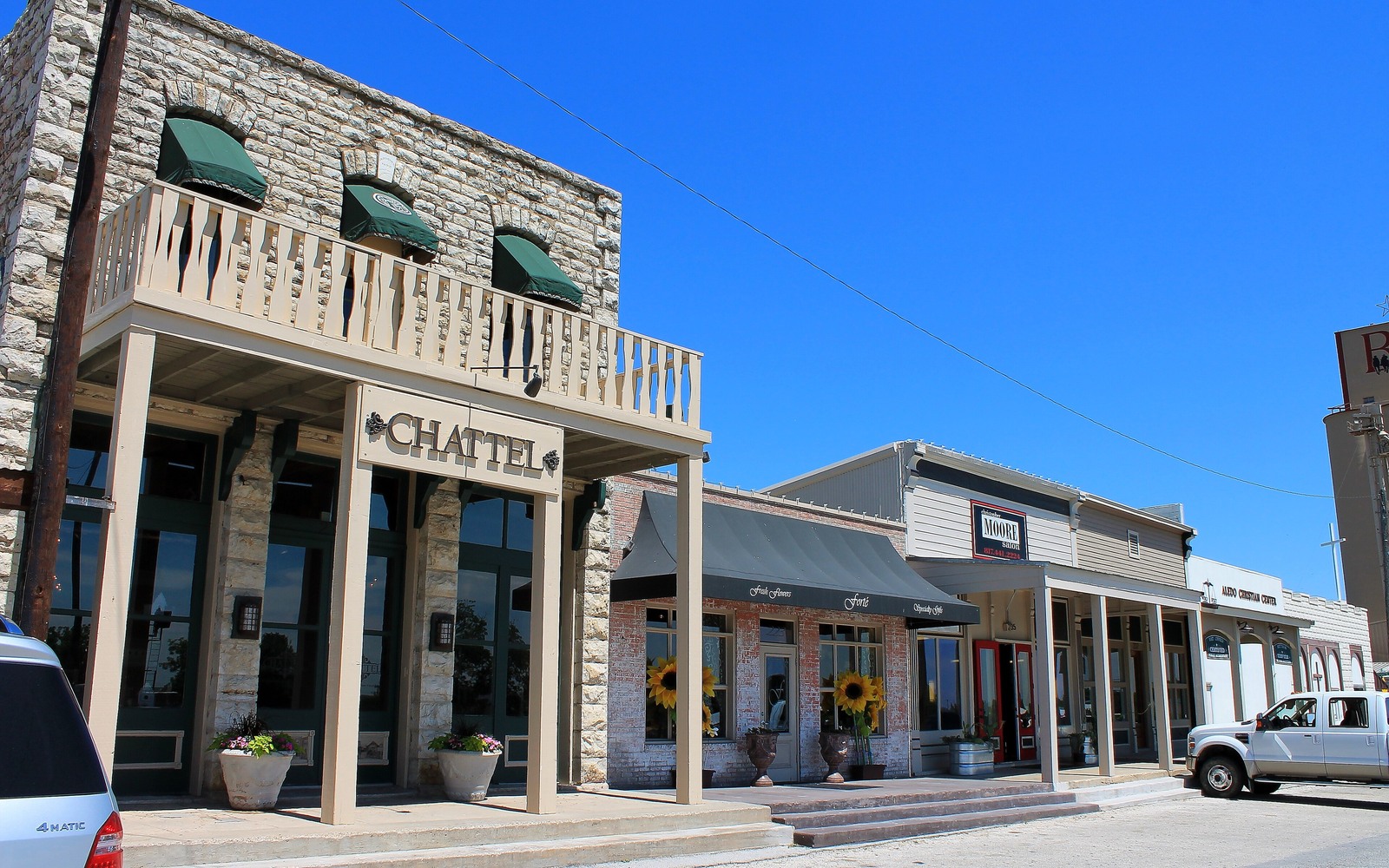
Sell Mineral Rights in Aledo, TX
Aledo has gone from ranchland to one of the fastest-growing suburbs west of Fort Worth, and the Barnett Shale gas underneath tells a very different story than the rooftops above it.
Aledo sits in eastern Parker County, part of the core Barnett Shale gas play that boomed through the 2000s before natural gas prices fell and drilling activity across North Texas slowed dramatically. Unlike the oil-driven Permian or Eagle Ford, Barnett wells here produce dry gas, and their value has always tracked gas prices, not oil headlines.
The bigger recent change in Aledo is above ground, not below it — rapid residential development has covered a lot of former ranch and farmland with subdivisions. If your family retained minerals when the surface sold to a developer, you likely still own the gas rights even though a neighborhood now sits on top, and that split ownership is exactly the kind of thing to confirm before any sale.
Barnett Gas Wells Are Mature, Not New
Almost all Barnett Shale drilling in this part of Parker County happened well over a decade ago. Wells here are typically far into their production tail, generating modest, slow-declining gas volumes rather than the steep early decline you'd see from a newly completed well elsewhere in Texas.
That maturity means valuation should be based on current, stabilized production and current gas prices, not on memories of what the well made when it was new and gas prices were higher.
Urban Drilling Restrictions Around Aledo
As Aledo and nearby Parker County communities have grown, new drilling within city limits has become harder, sometimes requiring special permits or facing setback ordinances that didn't exist when the original wells were drilled. That generally means the wells already on your tract are what you have, with limited near-term prospect of significant new drilling activity in developed areas.
If your tract is still undeveloped ranchland, however, expansion of Barnett activity is a different conversation, and worth checking against current Parker County permitting.
Split Estate After a Land Sale
If your family sold surface acreage to a developer but reserved the minerals, confirm exactly how that reservation was worded in the deed at the Parker County Clerk's office in Weatherford. Some older reservations are broad, others are limited by depth or time, and that language determines what you actually still own beneath the subdivision today.
Open the county file first
The review should identify the county clerk record, legal description, deed chain, reservations, lease, assignments, probate or trust records, unit documents, division orders, payor records, and recent statements that belong to the same tract. City names and surface addresses are useful search clues, but the recorded description controls the mineral schedule.
Match local drilling to the subject tract
Permits, completions, operator acreage, nearby laterals, unit boundaries, field rules, product mix, and basin activity in the surrounding county can supply context. The review should keep offset activity separate from wells and units that actually include the owner's acreage, because a nearby rig is not proof of present ownership or future development.
Compare the complete written offer
A local offer should be read beside the net mineral acres, paid decimal, producing status, depths, products, effective date, included receivables, title standard, curative obligations, permitted deductions, price adjustments, deed language, reservations, payment timing, and closing deadline. A headline price without that schedule is incomplete.
Route Texas-specific questions
Heirship, community property, probate, trust authority, dormant interests, executive rights, pooling, allocation, depth severances, lease interpretation, title defects, tax treatment, and recording procedure can change the sale route for a county tract. Those issues belong with qualified legal, tax, title, engineering, or appraisal professionals before the owner relies on a closing number.
Questions owners ask before selling
Put the Texas Property File in Front of the Review Desk
Send the county, interest type, producing status, and the records already available.