
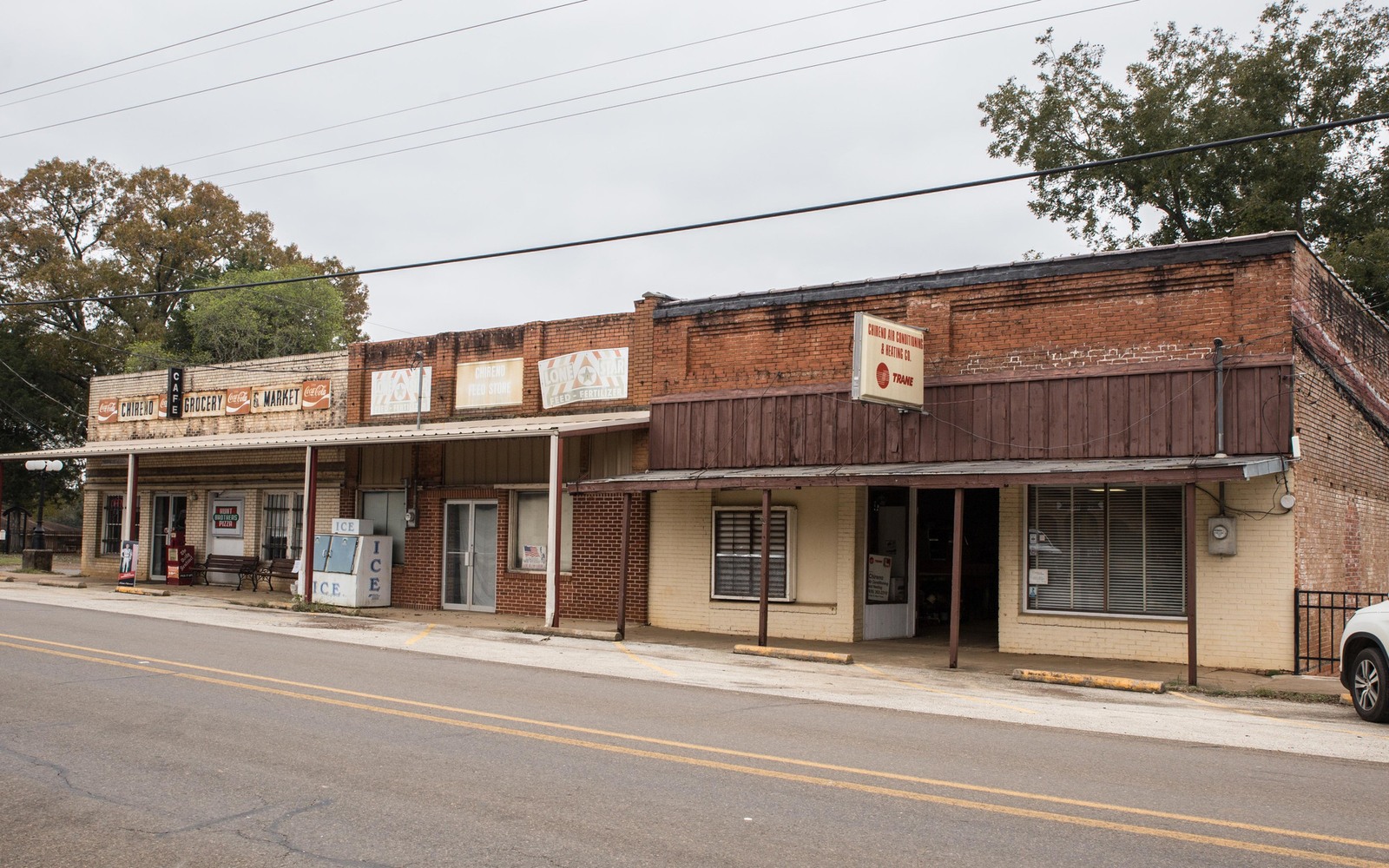
Sell Mineral Rights in Chireno, TX
Chireno is small, but the ground under it has been drilled, leased, and re-leased through three different boom cycles since the 1950s.
Nacogdoches County has old conventional production layered under newer Haynesville and Cotton Valley activity, which means mineral records around Chireno can stack up decades deep. A single tract might carry a 1962 lease that's held by production, a 2010s Haynesville addendum, and a probate from somewhere in between that never got fully recorded. We deal with that layered history routinely and don't need you to untangle it before we talk numbers.
We buy interests whether they're currently paying royalty or sitting non-producing, and we'll tell you honestly which category yours falls into before making an offer.
Old leases, new shale targets
A lot of the leasing activity that touched Chireno in the last fifteen years targeted the Haynesville and Bossier shales well below whatever shallower zones your family's original lease might have covered. If your minerals were leased decades ago for a shallow gas well and later held by production, that same lease may now extend to a much deeper, more valuable formation without your family ever renegotiating terms. Worth checking before you assume your interest is played out.
Multiple owners, one small tract
Chireno-area tracts tend to be small acreage that's been divided among heirs for generations, which means the checks, when they come, are often modest and split further with every royalty statement. That doesn't mean the underlying interest lacks value to a buyer who can consolidate fractional shares across a producing unit — we regularly buy interests that individually look too small for anyone else to bother with.
What we check before quoting you
We pull the Railroad Commission lease and production records tied to your specific tract, look at whether nearby units have current drilling permits, and confirm the lease status with the county clerk. Only then do we quote a number, and we explain the reasoning behind it rather than handing you a flat figure and asking you to trust it.
Open the county file first
The review should identify the county clerk record, legal description, deed chain, reservations, lease, assignments, probate or trust records, unit documents, division orders, payor records, and recent statements that belong to the same tract. City names and surface addresses are useful search clues, but the recorded description controls the mineral schedule.
Match local drilling to the subject tract
Permits, completions, operator acreage, nearby laterals, unit boundaries, field rules, product mix, and basin activity in the surrounding county can supply context. The review should keep offset activity separate from wells and units that actually include the owner's acreage, because a nearby rig is not proof of present ownership or future development.
Compare the complete written offer
A local offer should be read beside the net mineral acres, paid decimal, producing status, depths, products, effective date, included receivables, title standard, curative obligations, permitted deductions, price adjustments, deed language, reservations, payment timing, and closing deadline. A headline price without that schedule is incomplete.
Route Texas-specific questions
Heirship, community property, probate, trust authority, dormant interests, executive rights, pooling, allocation, depth severances, lease interpretation, title defects, tax treatment, and recording procedure can change the sale route for a county tract. Those issues belong with qualified legal, tax, title, engineering, or appraisal professionals before the owner relies on a closing number.
Questions owners ask before selling
Put the Texas Property File in Front of the Review Desk
Send the county, interest type, producing status, and the records already available.