
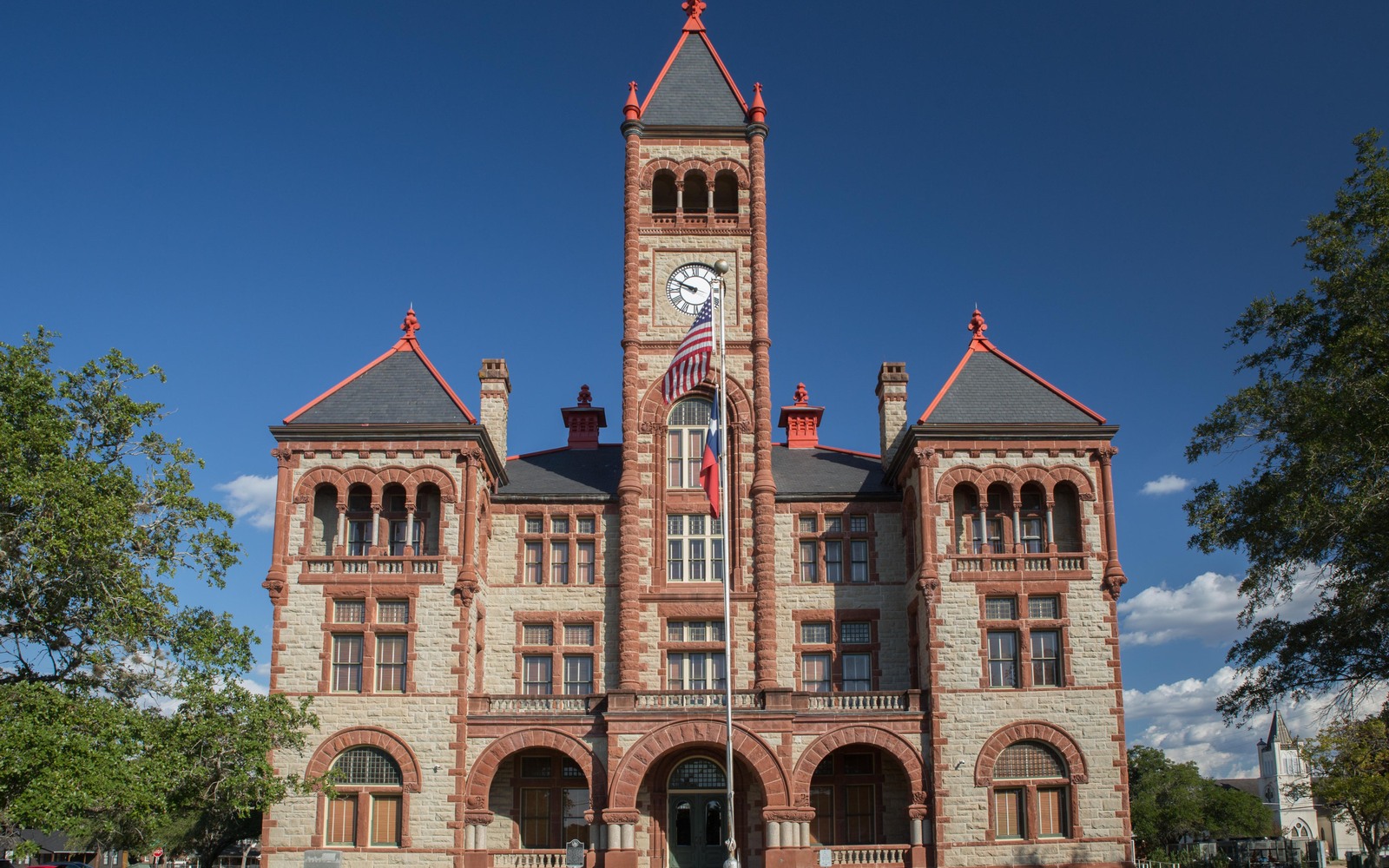
Sell Mineral Rights in DeWitt County, TX
Cuero is the county seat, and DeWitt County has been one of the more consistently productive stretches of the entire Eagle Ford Shale since the play's early years.
DeWitt County sits in the liquids-rich core of the Eagle Ford, and its production track record backs that up: sustained operator interest from Marathon Oil and others since the earliest years of the horizontal drilling boom around 2010, strong initial well results relative to the gassier edges of the play, and continued infill and refrac activity that's kept a lot of units producing well beyond their originally projected life. If your family holds minerals here, you're sitting on some of the more reliably valuable acreage in South Texas.
That said, DeWitt County minerals split into two broad categories that matter for pricing: interests tied to the modern Eagle Ford horizontal boom, and older mineral rights connected to earlier Austin Chalk or conventional production that predates the shale era entirely. We check both when evaluating your tract.
Why DeWitt County performs well
This stretch of the Eagle Ford has generally thicker, more oil-saturated rock than the play's gassier western reaches toward Webb and La Salle counties, which translated into stronger well economics that kept operators committed here even as activity slowed elsewhere during price downturns. Sustained development interest is part of why DeWitt County mineral owners have often seen steadier royalty income relative to the play's edges.
That strength doesn't mean every DeWitt County tract performs identically. Well results still vary meaningfully by specific location, spacing, and completion design, which is why we evaluate actual production data tied to your tract rather than pricing off the county's overall reputation.
Older ranching families, established royalty knowledge
A lot of DeWitt County's mineral wealth sits with longtime ranching families whose interests predate the Eagle Ford by decades, tracing back to earlier Austin Chalk and conventional production. That history means many owners here already understand their royalty statements well and have watched production evolve through multiple booms, which tends to make for straightforward, informed conversations when it's time to consider a sale.
If your family's minerals sit under land that's been in the same hands since before shale drilling existed, we still verify the current chain of title and lease status carefully, since older deeds occasionally carry reservations or exceptions that affect what exactly you hold today.
Refrac and infill activity extends well life
A meaningful number of DeWitt County's original Eagle Ford wells, drilled in the earliest years of the boom, have since been refractured or seen infill development within their units, extending productive life well beyond what a simple decline curve projection from initial production would suggest. That's a real factor in valuing mature units here, since a well that's been refracked often behaves differently than an untouched well of the same age.
We check whether your specific well or unit has seen any refrac or infill activity as part of our production review, since that history can meaningfully change our valuation approach.
Building an accurate DeWitt County offer
Because this county has such a deep, well-documented production record, we can build precise valuations from actual decline curve data specific to your unit rather than estimating off regional averages. We pull the full production history from Railroad Commission records, confirm current operator and lease status, and check for any recent completion work nearby before settling on a number.
We show you the data behind our offer, including the specific well or unit history we're basing it on, so you're not being asked to trust a number without understanding where it came from.
Questions owners ask before selling
Put the Texas Property File in Front of the Review Desk
Send the county, interest type, producing status, and the records already available.