
Sell Mineral Rights in El Cenizo, TX
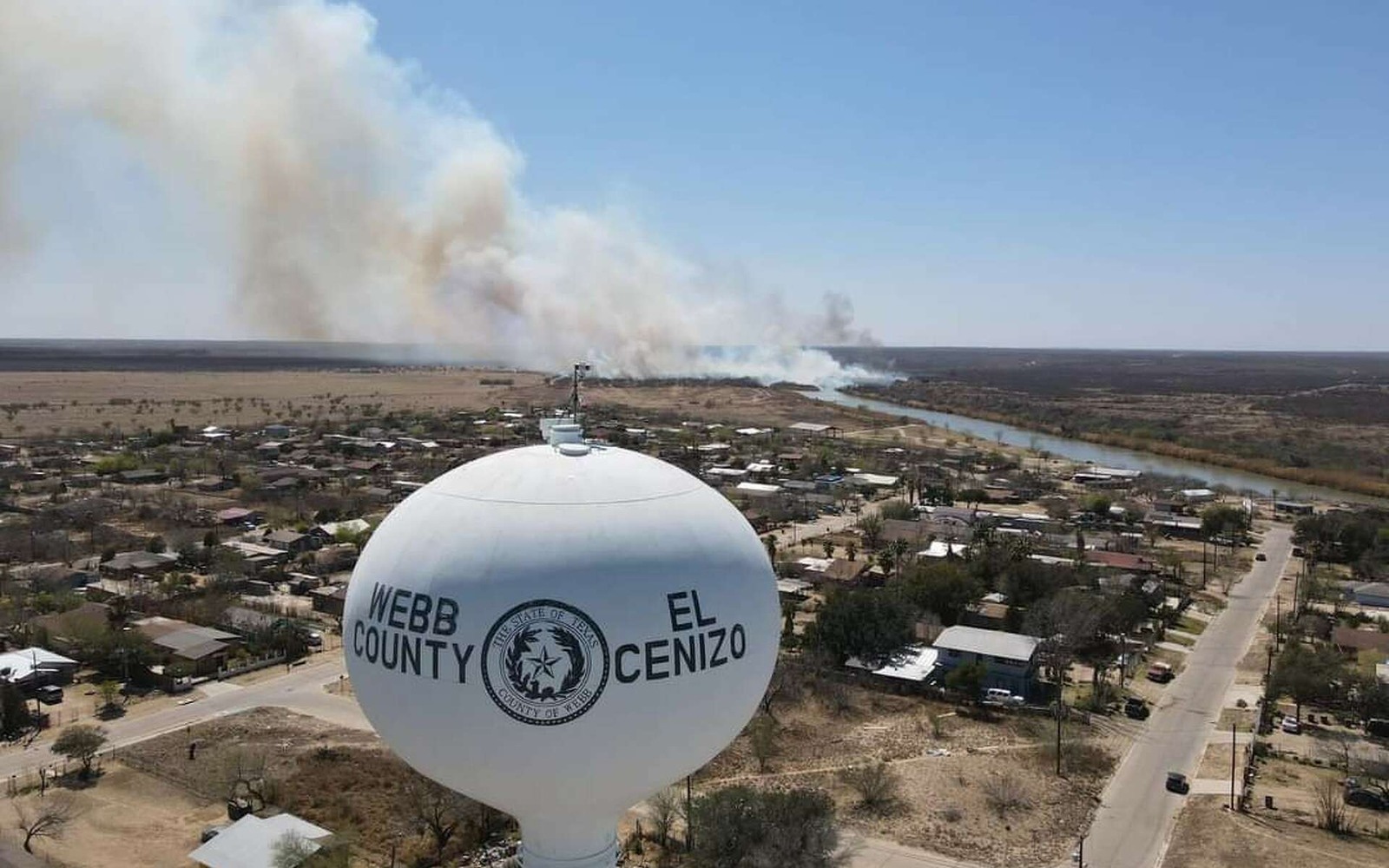
El Cenizo sits along the river, and mineral ownership out here often runs through the same old riverfront tracts families have held for generations.
Riverfront property along the Rio Grande in Webb County carries its own title quirks, from historic boundary shifts tied to the river's movement over decades to old community land grant claims that predate Texas statehood. If you've inherited a fractional mineral interest near El Cenizo and the paperwork looks nothing like a standard modern deed, that's normal for this stretch of the county, not a red flag.
We buy these interests directly and do the title reconciliation ourselves rather than asking you to sort out a century of boundary history before we'll talk numbers.
Deep gas window, less oil upside
This far west in Webb County, the Eagle Ford runs drier and gassier than the oil-saturated core further east, which shapes how any offer on your minerals should be calculated. Condensate volumes matter here more than oil-per-barrel economics, and drilling pace has generally been more sensitive to gas price cycles than the eastern play.
River-boundary title work
Tracts along the Rio Grande occasionally carry boundary descriptions tied to the river's historical course, which can shift over time through avulsion and accretion. Where that affects your specific acreage, we handle the survey and title reconciliation as part of our review rather than treating it as your problem to solve first.
Evaluating a quiet, non-producing interest
Plenty of El Cenizo-area tracts have never been drilled or sit outside any current spacing unit. We still make offers on these, priced honestly as speculative acreage tied to nearby activity rather than dressed up as if a check were already coming in.
Open the county file first
The review should identify the county clerk record, legal description, deed chain, reservations, lease, assignments, probate or trust records, unit documents, division orders, payor records, and recent statements that belong to the same tract. City names and surface addresses are useful search clues, but the recorded description controls the mineral schedule.
Match local drilling to the subject tract
Permits, completions, operator acreage, nearby laterals, unit boundaries, field rules, product mix, and basin activity in the surrounding county can supply context. The review should keep offset activity separate from wells and units that actually include the owner's acreage, because a nearby rig is not proof of present ownership or future development.
Compare the complete written offer
A local offer should be read beside the net mineral acres, paid decimal, producing status, depths, products, effective date, included receivables, title standard, curative obligations, permitted deductions, price adjustments, deed language, reservations, payment timing, and closing deadline. A headline price without that schedule is incomplete.
Route Texas-specific questions
Heirship, community property, probate, trust authority, dormant interests, executive rights, pooling, allocation, depth severances, lease interpretation, title defects, tax treatment, and recording procedure can change the sale route for a county tract. Those issues belong with qualified legal, tax, title, engineering, or appraisal professionals before the owner relies on a closing number.
Questions owners ask before selling
Put the Texas Property File in Front of the Review Desk
Send the county, interest type, producing status, and the records already available.