
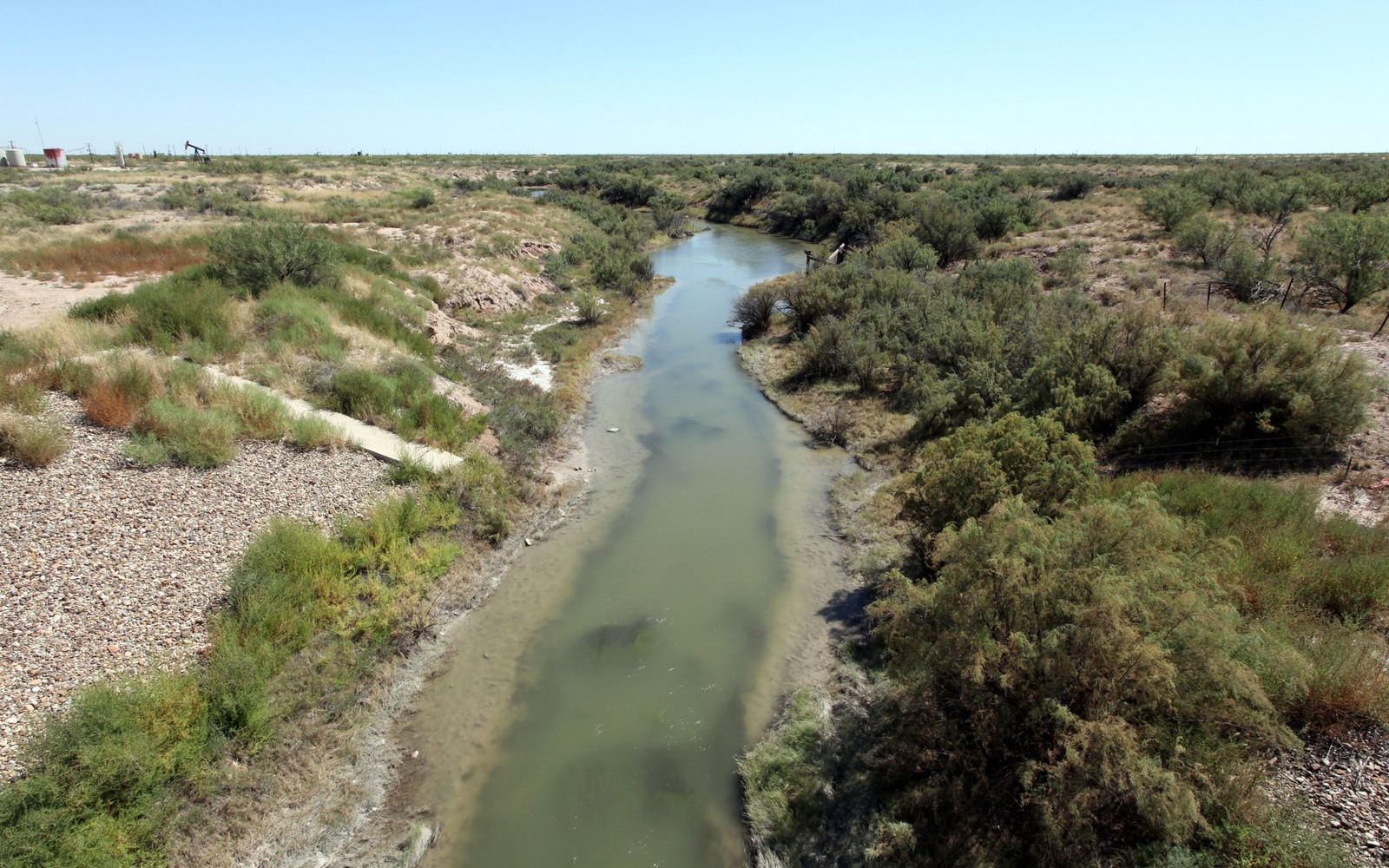
Sell Mineral Rights in Grandfalls, TX
Grandfalls is a small Ward County town sitting over deep Delaware Basin acreage, where operators have run dense horizontal development for over a decade targeting the Wolfcamp and Bone Spring.
Ward County has become one of the busier counties in the Delaware Basin as operators pushed development further east from the traditional core near the New Mexico line. Grandfalls-area minerals often sit under stacked pay, with multiple productive zones tested on the same section, which means a family tract here can be tied to more than one horizontal well drilled over the years as operators worked through different benches.
Stacked pay in a busy county
Because the Delaware Basin runs deep and pressurized rock through several distinct intervals, a single Grandfalls-area tract may have multiple wells targeting different depths, each generating its own royalty stream. If you're only aware of one well tied to your interest, pull complete well data for your section from the Railroad Commission to check whether there are others.
Ward County acreage tends to attract steady operator interest given how productive the Delaware Basin has proven here, but well costs run higher than in shallower plays, so operators are selective about timing new pads even in a busy county like this one.
Ranch-scale ownership around Grandfalls
Like much of West Texas, minerals here typically trace back to large historic ranch holdings, subdivided among heirs over multiple generations. Pull your division order and confirm the well and unit tied to your interest before evaluating any offer, especially if your family's paperwork is old or incomplete.
If several relatives share an undivided interest in the same tract, a buyer working seriously will ask about the other owners early rather than after paperwork is drawn up. Getting everyone's information together upfront saves time and avoids delays later in the process.
Open the county file first
The review should identify the county clerk record, legal description, deed chain, reservations, lease, assignments, probate or trust records, unit documents, division orders, payor records, and recent statements that belong to the same tract. City names and surface addresses are useful search clues, but the recorded description controls the mineral schedule.
Match local drilling to the subject tract
Permits, completions, operator acreage, nearby laterals, unit boundaries, field rules, product mix, and basin activity in the surrounding county can supply context. The review should keep offset activity separate from wells and units that actually include the owner's acreage, because a nearby rig is not proof of present ownership or future development.
Compare the complete written offer
A local offer should be read beside the net mineral acres, paid decimal, producing status, depths, products, effective date, included receivables, title standard, curative obligations, permitted deductions, price adjustments, deed language, reservations, payment timing, and closing deadline. A headline price without that schedule is incomplete.
Route Texas-specific questions
Heirship, community property, probate, trust authority, dormant interests, executive rights, pooling, allocation, depth severances, lease interpretation, title defects, tax treatment, and recording procedure can change the sale route for a county tract. Those issues belong with qualified legal, tax, title, engineering, or appraisal professionals before the owner relies on a closing number.
Questions owners ask before selling
Put the Texas Property File in Front of the Review Desk
Send the county, interest type, producing status, and the records already available.