
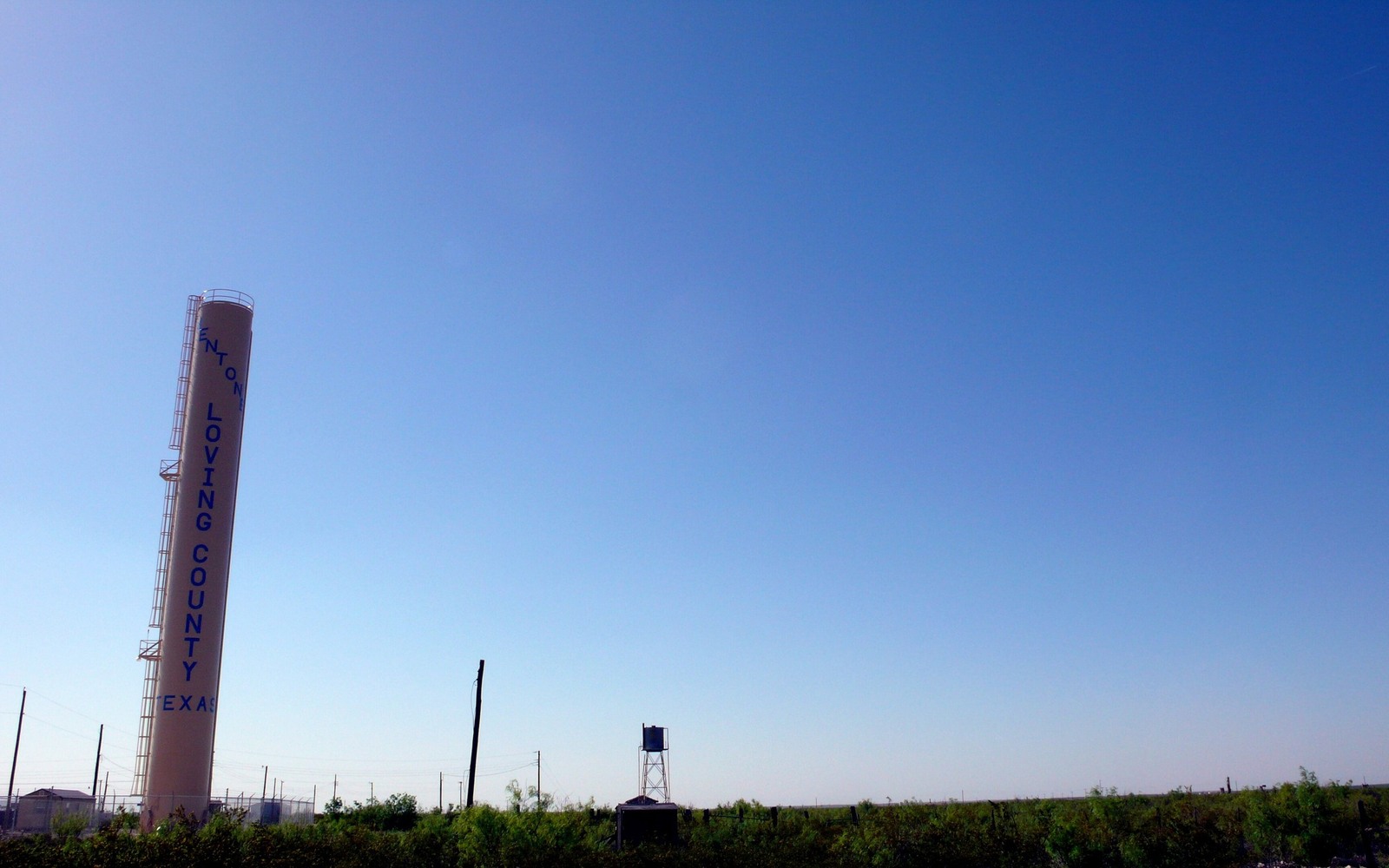
Sell Mineral Rights in Mentone, TX
Loving County has fewer than a hundred year-round residents and some of the busiest drilling in the entire Delaware Basin. Mentone is the courthouse town, and it's a strange, valuable place to own minerals.
There's something almost funny about Loving County: it's the least populated county in the United States, yet Mentone's tiny courthouse processes filings tied to some of the highest-density horizontal drilling in the Permian. Stacked Wolfcamp and Bone Spring benches under Loving County have drawn heavy operator activity for years, and that means mineral owners here often sit on interests far more valuable than the county's population would suggest.
Because so few people actually live in Loving County, a huge share of the mineral estate is held by absentee owners, heirs scattered across the state or the country who inherited a piece of a family ranch decades after anyone in the family last set foot on it. If that's you, we can work entirely by phone, email, and mail. You never have to make the drive out to Mentone.
Why the Delaware Basin stack matters here
Loving County sits over multiple productive Wolfcamp and Bone Spring intervals, and operators have been developing them as stacked, spaced units rather than single wells per section. That density of drilling is part of why interests here can carry more weight than acreage in less active Delaware Basin counties, though it also means production and pricing swing hard with commodity cycles.
If your family's minerals have been leased and re-leased over the years as new benches got tested, your division order history can get complicated fast. We sort through that rather than asking you to explain it yourself.
Absentee ownership is the rule, not the exception
Very few mineral owners tied to Loving County actually live there. Most inherited a fraction of a ranch estate that's been split among heirs for two or three generations, with the ranching family long since moved to San Angelo, Dallas, or somewhere entirely outside Texas. We handle the entire transaction remotely, verifying your interest against Loving County clerk records and sending closing documents wherever you are.
Open the county file first
The review should identify the county clerk record, legal description, deed chain, reservations, lease, assignments, probate or trust records, unit documents, division orders, payor records, and recent statements that belong to the same tract. City names and surface addresses are useful search clues, but the recorded description controls the mineral schedule.
Match local drilling to the subject tract
Permits, completions, operator acreage, nearby laterals, unit boundaries, field rules, product mix, and basin activity in the surrounding county can supply context. The review should keep offset activity separate from wells and units that actually include the owner's acreage, because a nearby rig is not proof of present ownership or future development.
Compare the complete written offer
A local offer should be read beside the net mineral acres, paid decimal, producing status, depths, products, effective date, included receivables, title standard, curative obligations, permitted deductions, price adjustments, deed language, reservations, payment timing, and closing deadline. A headline price without that schedule is incomplete.
Route Texas-specific questions
Heirship, community property, probate, trust authority, dormant interests, executive rights, pooling, allocation, depth severances, lease interpretation, title defects, tax treatment, and recording procedure can change the sale route for a county tract. Those issues belong with qualified legal, tax, title, engineering, or appraisal professionals before the owner relies on a closing number.
Questions owners ask before selling
Put the Texas Property File in Front of the Review Desk
Send the county, interest type, producing status, and the records already available.