
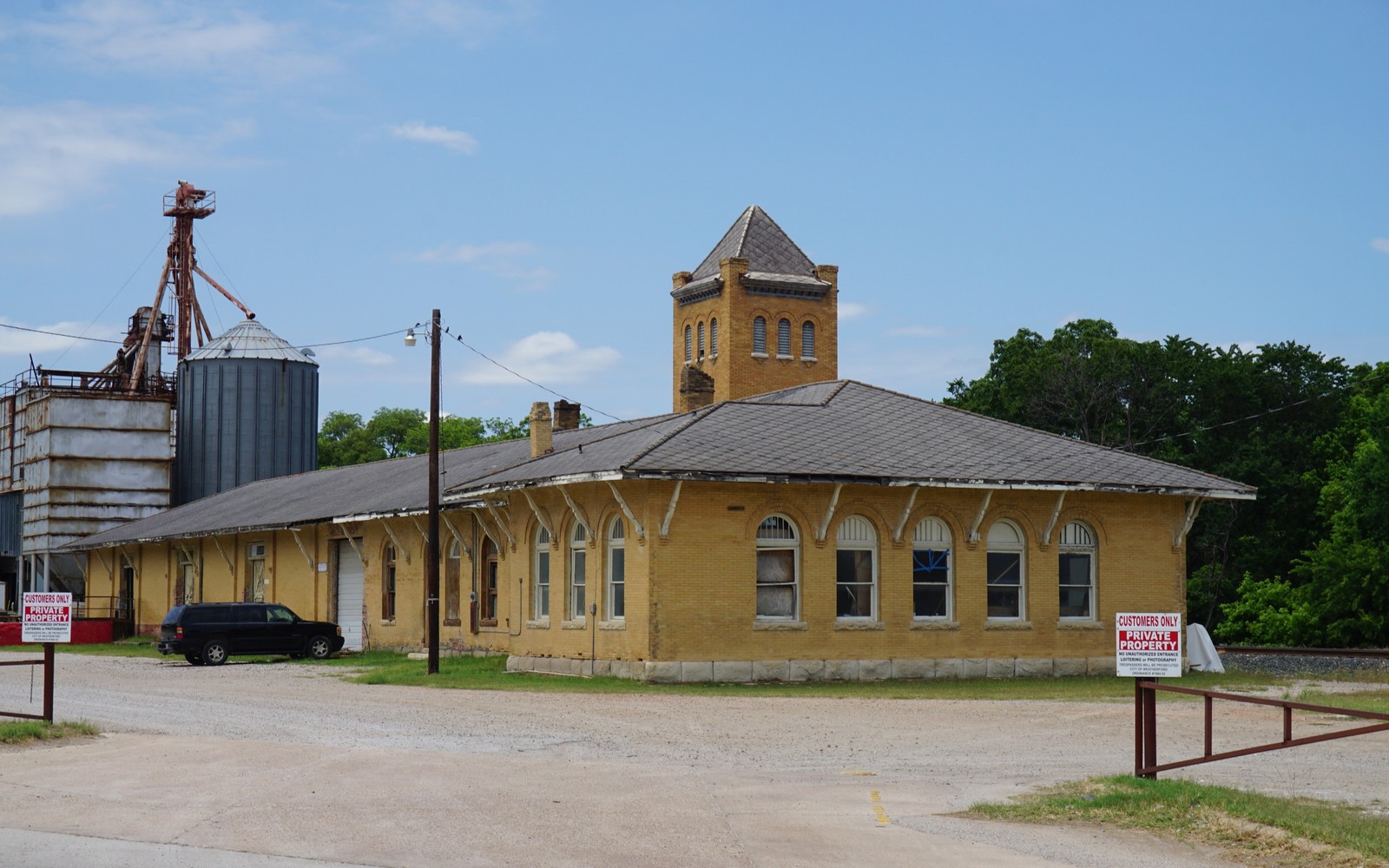
Sell Mineral Rights in Parker County, TX
Weatherford has always been ranching and rodeo country first, but the ground under Parker County carries real oil and gas history, both old conventional wells and modern Barnett gas.
Parker County sits on the western edge of the Barnett Shale, further from the dense drilling core than counties like Wise or Denton, but with a much longer conventional oil and gas history underneath it. Shallow Strawn and Caddo sand production has been part of this county for generations, sitting on the same acreage where more recent Barnett gas units have since been developed.
Weatherford, the county seat, built its reputation on cattle and cutting horses more than oil derricks, which means a lot of mineral ownership here traces back to ranching families who never thought of themselves as oil families, even though their land has quietly produced for decades. If that's your family's story, we'll verify what you actually own against Parker County records before quoting you.
Flank acreage, layered history
Being on the Barnett Shale's flank generally means lighter, less consistent drilling activity than the core counties further east. That doesn't mean nothing is happening here. Many Parker County tracts have both older, shallow conventional production and newer Barnett gas activity, and each behaves differently for valuation purposes.
A shallow well from decades back tends to produce a small, steady volume for a very long time, while a Barnett gas unit follows a steeper initial decline. We look at each zone separately when your tract has both.
Ranching families who never expected an oil check
Because Parker County's identity leans so heavily toward cattle and horses, plenty of landowning families here have held mineral interests passively for years without paying much attention to them, cashing whatever small royalty check showed up and not asking many questions. If that describes your situation, it's worth having someone actually check what your interest is currently worth rather than assuming the check size tells the whole story.
What we check before making an offer
We pull Parker County clerk records to confirm your deed and any existing lease, check whether your acreage sits inside a pooled Barnett unit or ties to an older shallow well, and review whatever royalty statements you have. That's how we build a number grounded in your actual acreage.
The mailbox-offer problem on the Barnett's flank
Parker County landowners get plenty of flat mailer offers, often riding on the Barnett Shale's name recognition even though this county sits well outside the play's densest core. A number that doesn't reference your specific well, lease, or royalty history isn't a real appraisal, it's a guess sent to every address in the county.
We'd rather check your actual section against current activity and give you a number tied to what's really there, even if that means the offer takes a bit longer to put together than a form letter would.
Deciding whether to sell or hold
Some Parker County families are happy collecting a small, steady check from an old shallow well for as long as it keeps producing. Others would rather take a lump sum and be done with quarterly statements and the occasional confusing letter from a landman. Neither choice is wrong, and we're not going to tell you which one fits your situation.
What we can do is lay out real numbers for both paths, based on your actual acreage and its history, so you can decide with full information instead of a guess.
Questions owners ask before selling
Put the Texas Property File in Front of the Review Desk
Send the county, interest type, producing status, and the records already available.