
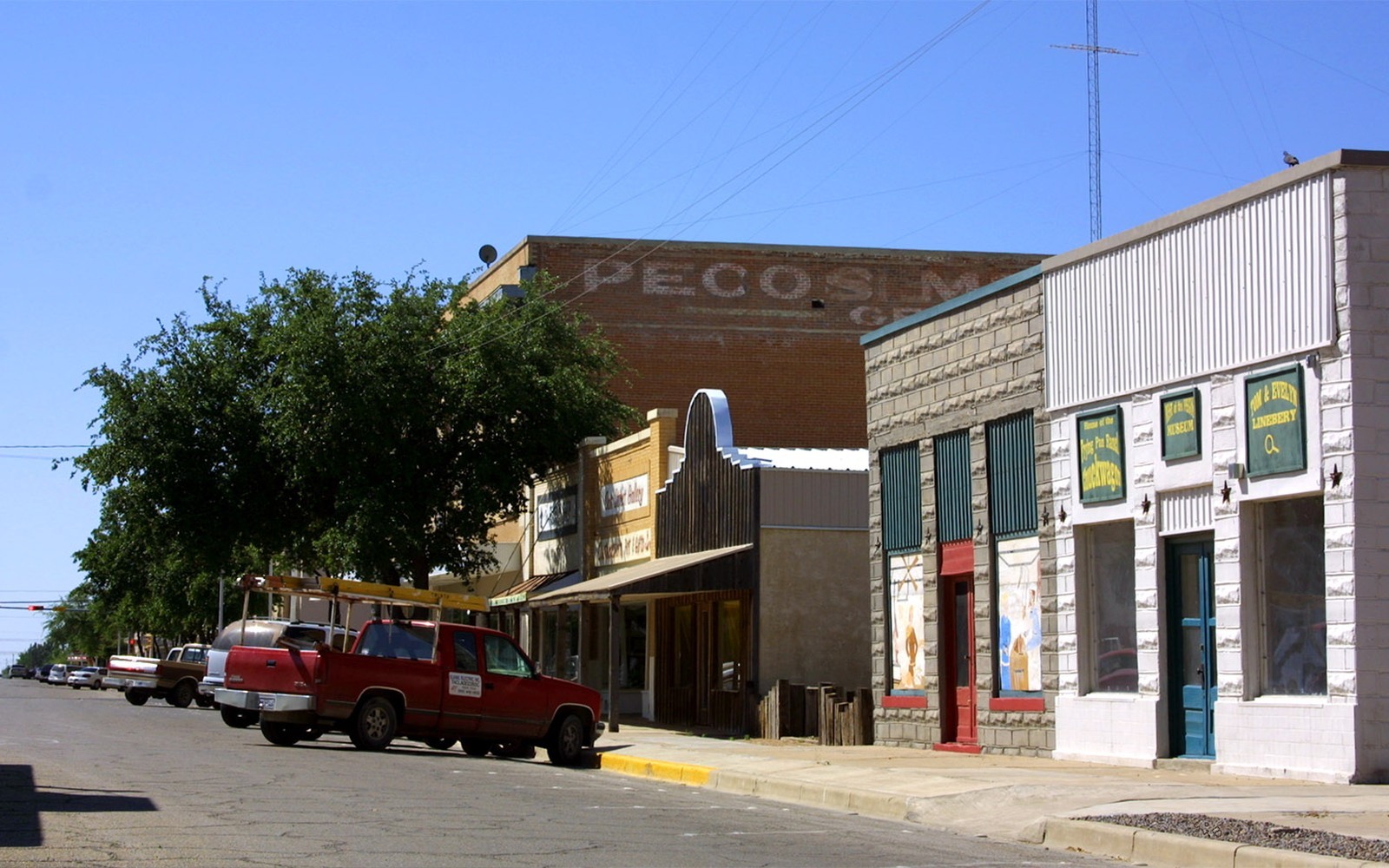
Sell Mineral Rights in Pecos, TX
Pecos built its old identity on cantaloupes and rodeo, and its newer one on some of the busiest Delaware Basin drilling anywhere in West Texas.
Reeves County has become one of the most heavily drilled counties in the entire Permian Basin, with Wolfcamp and Bone Spring horizontal development packed densely around Pecos over the past decade. That level of activity has drawn attention from mineral buyers of every kind, some legitimate and some sending out flat mailer offers hoping a landowner won't check the real numbers.
If you hold a mineral interest tied to land near Pecos, we verify what's actually producing through Reeves County records and quote you accordingly, whether that means a strong number or an honest explanation of why a specific tract is worth less than the county's reputation might suggest.
Dense development, real complexity
The scale of horizontal drilling around Pecos means a single section can have multiple stacked laterals across different benches, operated by more than one company over the life of the lease. That density generally supports stronger valuations, but it also means your royalty statement can get complicated fast, with interests tied to more than one producing unit at once.
Why we check the specific well instead of the county reputation
Reeves County's reputation as an active drilling area is well earned, but that doesn't mean every tract performs the same. We check your specific wells, their current production, and how far into their decline curve they are before quoting a number, rather than pricing off the county's overall activity level.
Open the county file first
The review should identify the county clerk record, legal description, deed chain, reservations, lease, assignments, probate or trust records, unit documents, division orders, payor records, and recent statements that belong to the same tract. City names and surface addresses are useful search clues, but the recorded description controls the mineral schedule.
Match local drilling to the subject tract
Permits, completions, operator acreage, nearby laterals, unit boundaries, field rules, product mix, and basin activity in the surrounding county can supply context. The review should keep offset activity separate from wells and units that actually include the owner's acreage, because a nearby rig is not proof of present ownership or future development.
Compare the complete written offer
A local offer should be read beside the net mineral acres, paid decimal, producing status, depths, products, effective date, included receivables, title standard, curative obligations, permitted deductions, price adjustments, deed language, reservations, payment timing, and closing deadline. A headline price without that schedule is incomplete.
Route Texas-specific questions
Heirship, community property, probate, trust authority, dormant interests, executive rights, pooling, allocation, depth severances, lease interpretation, title defects, tax treatment, and recording procedure can change the sale route for a county tract. Those issues belong with qualified legal, tax, title, engineering, or appraisal professionals before the owner relies on a closing number.
Questions owners ask before selling
Put the Texas Property File in Front of the Review Desk
Send the county, interest type, producing status, and the records already available.