
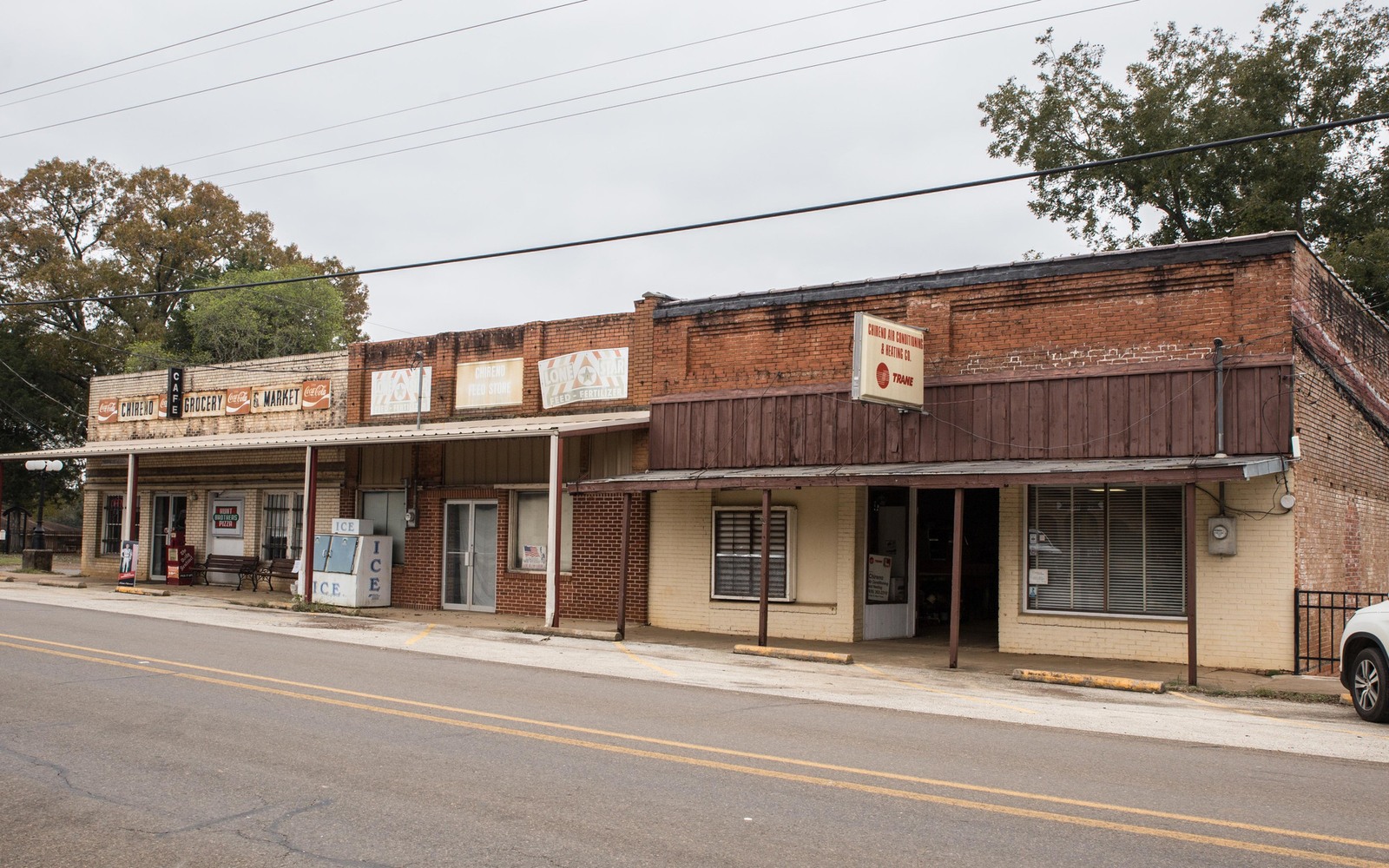
Sell Mineral Rights in Reno, TX
Reno sits near Lake Worth on the western edge of Tarrant County, a small city that kept much of its rural character even as Barnett Shale drilling reshaped the area two decades ago.
Reno's small-town footprint means mineral ownership here often stayed within families for longer than in the denser parts of the Fort Worth metro, with fewer of the ownership splits you see in heavily subdivided urban tracts. If you or your family have held minerals here since before the Barnett boom, your interest likely reflects a fairly clean, straightforward ownership history.
We buy Reno mineral and royalty interests for cash and can typically confirm ownership quickly given the community's relatively simple property history.
Barnett Shale Development Near Lake Worth
The Reno area saw Barnett Shale drilling during the play's core development years, with wells targeting the shale from pad sites that took advantage of the area's lower density compared to central Fort Worth. Most production here is now mature, following the long, gradual decline typical of Barnett wells that have been producing for over a decade.
Proximity to Lake Worth hasn't significantly changed the underlying geology or well economics, though it has shaped how development has grown around the existing production over time.
What a Small-City Ownership History Usually Looks Like
Because Reno has stayed smaller than many of its Tarrant County neighbors, mineral tracts here often haven't been divided as many times through resale as land in more heavily developed suburbs. That can make confirming your ownership percentage more straightforward, though family inheritance can still split an interest among several heirs over time.
Open the county file first
The review should identify the county clerk record, legal description, deed chain, reservations, lease, assignments, probate or trust records, unit documents, division orders, payor records, and recent statements that belong to the same tract. City names and surface addresses are useful search clues, but the recorded description controls the mineral schedule.
Match local drilling to the subject tract
Permits, completions, operator acreage, nearby laterals, unit boundaries, field rules, product mix, and basin activity in the surrounding county can supply context. The review should keep offset activity separate from wells and units that actually include the owner's acreage, because a nearby rig is not proof of present ownership or future development.
Compare the complete written offer
A local offer should be read beside the net mineral acres, paid decimal, producing status, depths, products, effective date, included receivables, title standard, curative obligations, permitted deductions, price adjustments, deed language, reservations, payment timing, and closing deadline. A headline price without that schedule is incomplete.
Route Texas-specific questions
Heirship, community property, probate, trust authority, dormant interests, executive rights, pooling, allocation, depth severances, lease interpretation, title defects, tax treatment, and recording procedure can change the sale route for a county tract. Those issues belong with qualified legal, tax, title, engineering, or appraisal professionals before the owner relies on a closing number.
Questions owners ask before selling
Put the Texas Property File in Front of the Review Desk
Send the county, interest type, producing status, and the records already available.