
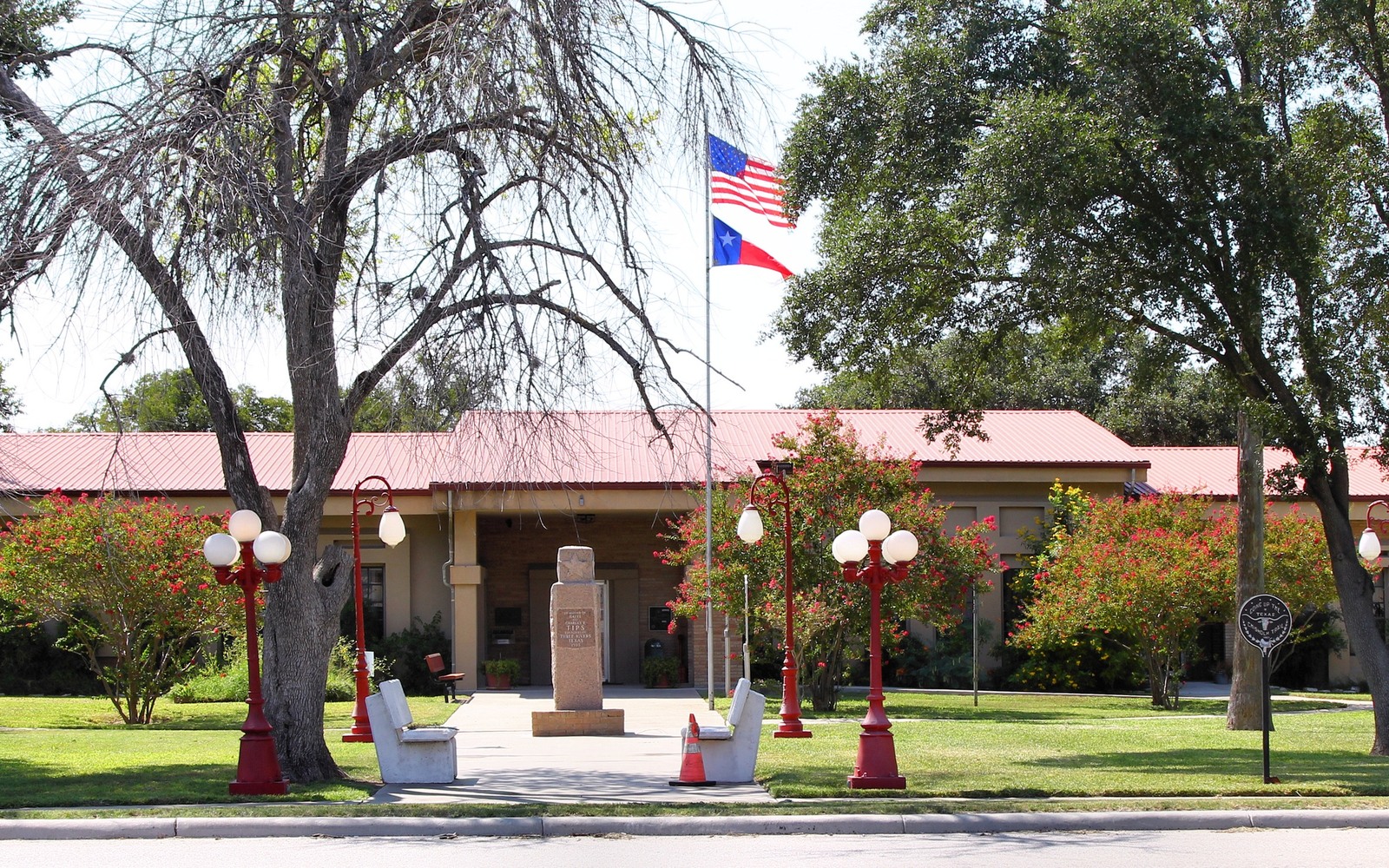
Sell Mineral Rights in Three Rivers, TX
Three Rivers sits where the Frio, Nueces, and Atascosa rivers come together in Live Oak County, right in the core oil window of the Eagle Ford Shale.
Live Oak County was one of the counties that made the Eagle Ford a household name in the oil business, and Three Rivers has felt the effects directly, from refinery activity in town to the drilling that's continued across the surrounding ranch land for well over a decade.
We buy mineral and royalty interests near Three Rivers directly. Send us a division order or a recent statement and we'll give you a real number, not a form letter.
Core oil window, not the gassy edges
Live Oak County sits in the Eagle Ford's oil window, which historically drew heavy activity from operators like Marathon and EOG because the economics here were strong even through periods of weaker gas prices. That's meaningfully different from the dry gas Eagle Ford acreage further south and west, where royalty checks track Henry Hub instead of WTI.
Three Rivers' position at the confluence of three rivers also means some tracts here have unique surface access considerations for operators, but that's a drilling-logistics question separate from what your mineral interest itself is worth.
Ranch land, long ownership histories
This part of South Texas is defined by large family ranches that have held mineral rights for generations, often leasing to operators while keeping the land itself in continuous ranching use. It's common for a Three Rivers-area interest to be split among a dozen or more heirs of an original ranching family, each holding a small undivided fraction that may not have been actively managed in years.
What we look at before quoting a number
Current production on your specific unit is the starting point — how recently the well was drilled, what the decline curve looks like now, and whether there's permit activity suggesting future development nearby. Oil price assumptions factor heavily into our math given the oil-weighted nature of production in this part of the county.
Open the county file first
The review should identify the county clerk record, legal description, deed chain, reservations, lease, assignments, probate or trust records, unit documents, division orders, payor records, and recent statements that belong to the same tract. City names and surface addresses are useful search clues, but the recorded description controls the mineral schedule.
Match local drilling to the subject tract
Permits, completions, operator acreage, nearby laterals, unit boundaries, field rules, product mix, and basin activity in the surrounding county can supply context. The review should keep offset activity separate from wells and units that actually include the owner's acreage, because a nearby rig is not proof of present ownership or future development.
Compare the complete written offer
A local offer should be read beside the net mineral acres, paid decimal, producing status, depths, products, effective date, included receivables, title standard, curative obligations, permitted deductions, price adjustments, deed language, reservations, payment timing, and closing deadline. A headline price without that schedule is incomplete.
Route Texas-specific questions
Heirship, community property, probate, trust authority, dormant interests, executive rights, pooling, allocation, depth severances, lease interpretation, title defects, tax treatment, and recording procedure can change the sale route for a county tract. Those issues belong with qualified legal, tax, title, engineering, or appraisal professionals before the owner relies on a closing number.
Questions owners ask before selling
Put the Texas Property File in Front of the Review Desk
Send the county, interest type, producing status, and the records already available.