
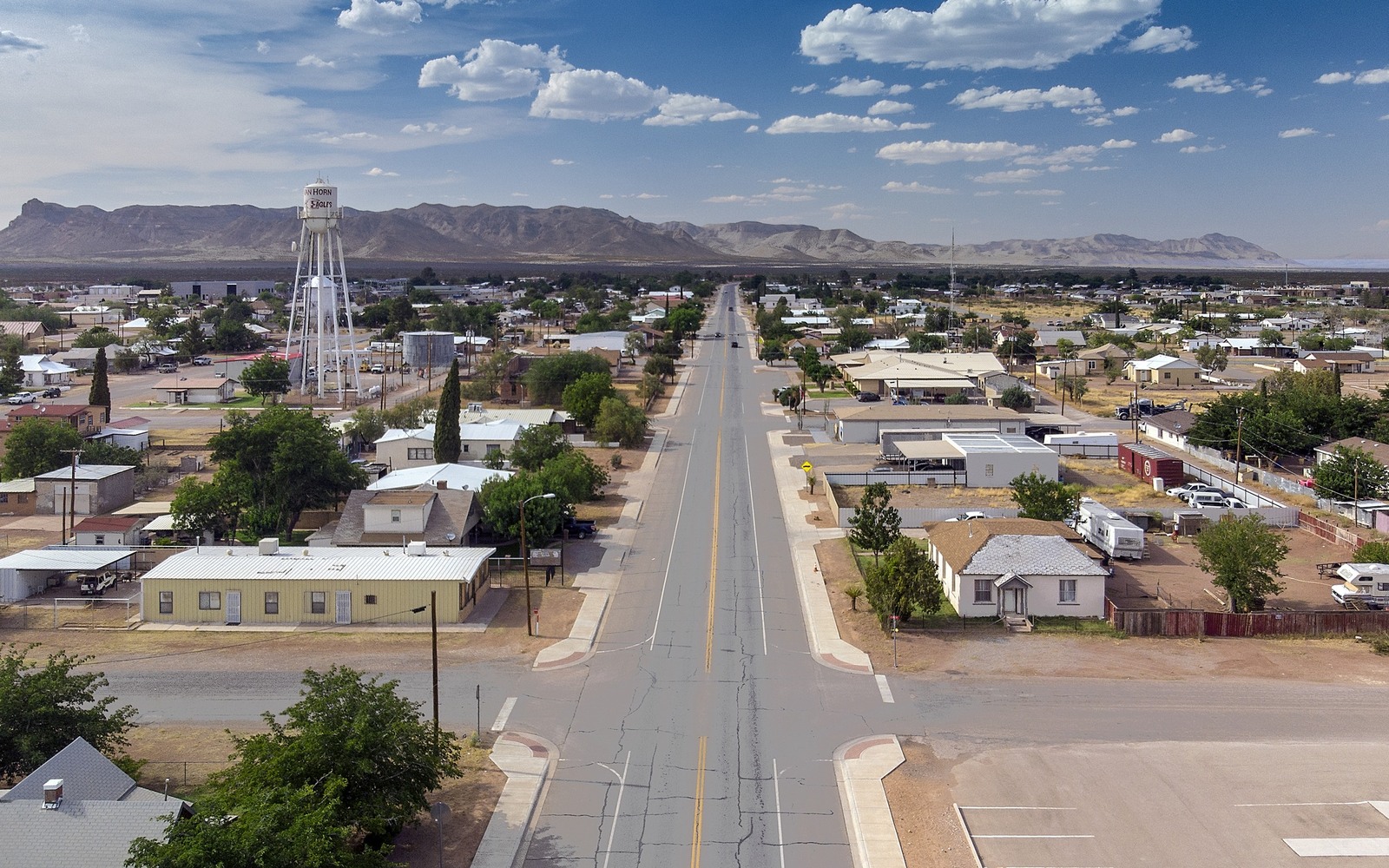
Sell Mineral Rights in Van Horn, TX
Van Horn sits on the western fringe of the Delaware Basin in Culberson County, close enough to the Guadalupe Mountains that ranching still shapes the county more than oilfield traffic does, but the mineral picture underneath has shifted a lot in the last decade.
Culberson County's western Delaware Basin acreage saw a real surge of interest when Apache's Alpine High discovery put this part of the play on the map, and even though development pace has cooled from those early headlines, the underlying formations and permit activity are still relevant to what a Van Horn interest is worth.
We buy mineral and royalty interests here directly. If you own something near Van Horn, send us what you have and we'll walk you through a real number, not a speculative pitch.
The far edge of the play is a different conversation
Van Horn and the rest of western Culberson County sit at the edge of proven Delaware Basin development rather than the dense core you'd find closer to Reeves or Loving counties. That means well density is lower and some tracts here are undeveloped or held by production on older leases without much recent activity. We're upfront about that when we quote — an undrilled tract in a flank position is a different kind of asset than a producing core unit, and it prices differently.
That said, operators haven't abandoned this ground. Permitting activity ebbs and flows with oil prices and infrastructure buildout, and a tract that looks quiet today can still see renewed interest if takeaway capacity or gathering infrastructure improves in the area.
Ranch land, generational ownership
This part of Culberson County is classic West Texas ranch country, and a lot of the mineral estate here has stayed with founding ranching families for generations, sometimes with the surface sold off separately while the minerals stayed in the family. Split estate is common, and so is fractional ownership split among descendants who may have scattered well beyond the county by now.
Deciding whether to sell an undeveloped interest
If your tract isn't currently producing, selling still might make sense depending on your goals — you trade uncertain future upside for certainty today. We'll give you an honest read on nearby permit and lease activity so you're deciding with real information, not a sales pitch dressed up as analysis.
Open the county file first
The review should identify the county clerk record, legal description, deed chain, reservations, lease, assignments, probate or trust records, unit documents, division orders, payor records, and recent statements that belong to the same tract. City names and surface addresses are useful search clues, but the recorded description controls the mineral schedule.
Match local drilling to the subject tract
Permits, completions, operator acreage, nearby laterals, unit boundaries, field rules, product mix, and basin activity in the surrounding county can supply context. The review should keep offset activity separate from wells and units that actually include the owner's acreage, because a nearby rig is not proof of present ownership or future development.
Compare the complete written offer
A local offer should be read beside the net mineral acres, paid decimal, producing status, depths, products, effective date, included receivables, title standard, curative obligations, permitted deductions, price adjustments, deed language, reservations, payment timing, and closing deadline. A headline price without that schedule is incomplete.
Route Texas-specific questions
Heirship, community property, probate, trust authority, dormant interests, executive rights, pooling, allocation, depth severances, lease interpretation, title defects, tax treatment, and recording procedure can change the sale route for a county tract. Those issues belong with qualified legal, tax, title, engineering, or appraisal professionals before the owner relies on a closing number.
Questions owners ask before selling
Put the Texas Property File in Front of the Review Desk
Send the county, interest type, producing status, and the records already available.