
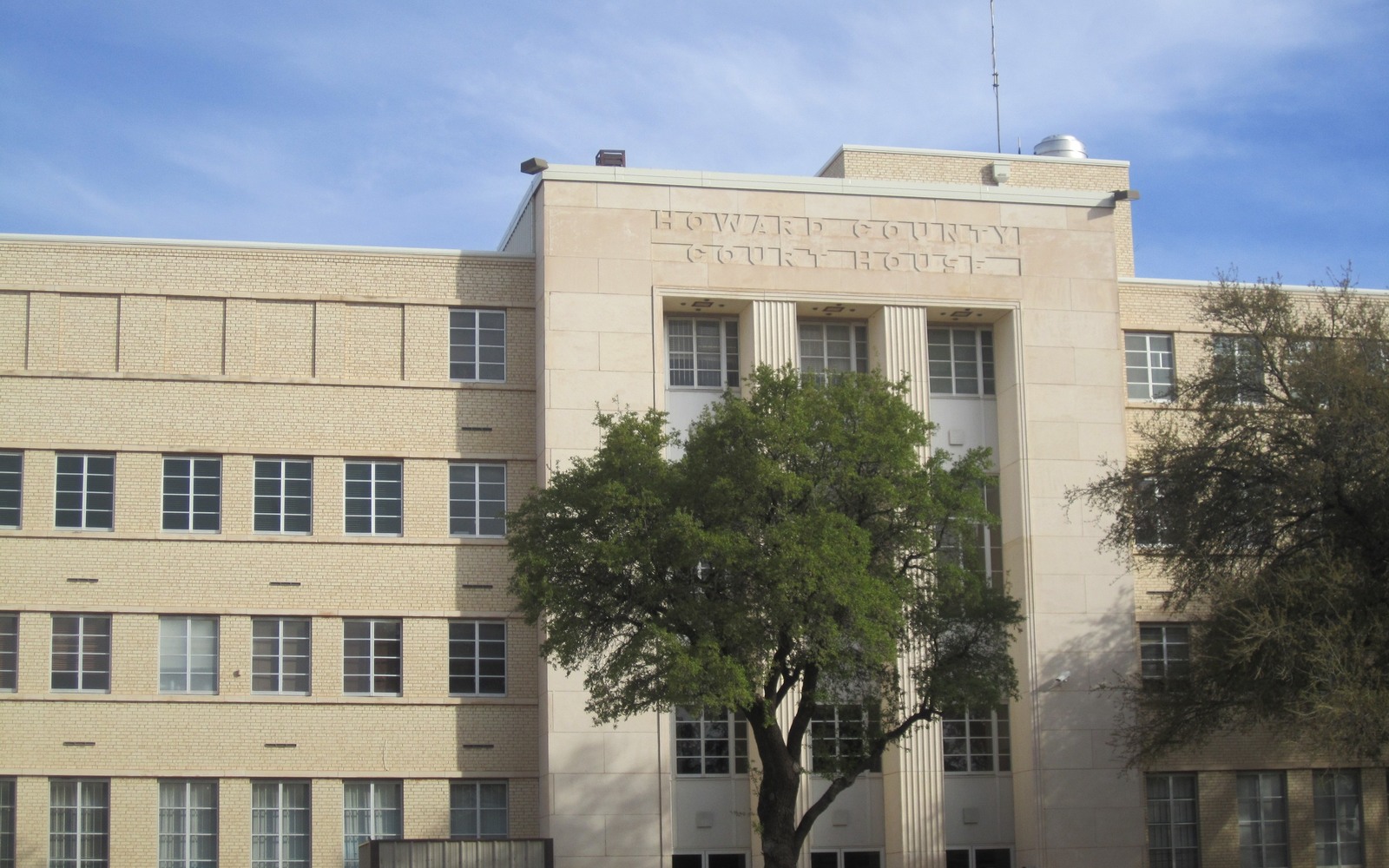
Sell Mineral Rights in Ward County, TX
Ward County, seat of government in Monahans, has been producing oil since the early 1900s and hasn't slowed down — it's now one of the more heavily drilled counties in the Texas side of the Delaware Basin, with a mineral ownership base that reflects nearly a century of history.
If you own minerals in Ward County, you're sitting on some combination of legacy vertical production and newer horizontal Wolfcamp or Bone Spring development, and figuring out which one — or both — is driving your check is the first step to knowing what your interest is actually worth.
We buy Ward County mineral and royalty interests directly. No listing agents, no waiting on a landman's callback. Send us your division order or a recent statement and we'll walk you through a real offer, on your timeline.
Monahans and the county's oilfield backbone
Monahans has been an oilfield town for generations, and the courthouse there holds records going back to some of the county's earliest leases. That long history is a double-edged sword for mineral owners: it means there's usually solid production data to price off of, but it also means title can carry decades of accumulated complexity — old pooling agreements, multiple rounds of heirship, and leases that have been amended or re-unitized more than once as drilling technology changed.
The Monahans Sandhills, just north of town, are a well-known local landmark, and while the dune formations themselves aren't directly tied to oil production, the surrounding acreage has seen its share of both legacy vertical wells and more recent horizontal development as operators worked outward from established core areas.
Where Ward County sits in the Delaware Basin
Ward County straddles a productive stretch of the Delaware Basin, with Wolfcamp and Bone Spring horizontal development active across much of the county over the past decade. Diamondback, Chevron, and other operators active in this corridor along I-20 have drilled multiple benches under the same surface acreage in a lot of areas, which means a single tract can carry interests in more than one producing unit simultaneously.
That stacked-pay reality is generally good for cash flow, but it complicates evaluation — a tract with three producing zones underneath it needs each one checked separately, not averaged into a single county-wide number. We do that work before we ever quote you a price.
Legacy production versus new horizontal wells
A meaningful share of Ward County's mineral estate is still tied to older vertical wells and waterflood units that have been producing for decades at slow, steady decline rates. These interests behave very differently from newly drilled horizontal wells, which typically show a sharp initial production spike followed by a steep decline curve in the first one to two years before flattening out. Understanding which type of production is driving your specific royalty check matters enormously for pricing — and for deciding whether a lump-sum sale makes more sense than holding through years of declining payments.
Gas price swings and oil price swings both factor into Ward County royalties depending on the mix of production your unit sees, since Delaware Basin wells here typically produce oil with a meaningful associated gas stream rather than one commodity in isolation.
Ownership patterns across the county
Because Ward County's oil history reaches back nearly a hundred years in places, it's common for mineral interests to have passed through multiple generations of the same family, often splitting into smaller and smaller undivided fractions along the way. Split estate — where the surface and the minerals are owned separately — is also routine here, particularly on ranch land where minerals were reserved when the surface changed hands decades ago.
If you're not entirely sure how big your fractional share is, or your division order lists a relative who's no longer living, that's a normal starting point for us, not a dealbreaker. We help identify the current, correct ownership picture as part of getting your sale to closing.
Questions owners ask before selling
Put the Texas Property File in Front of the Review Desk
Send the county, interest type, producing status, and the records already available.