
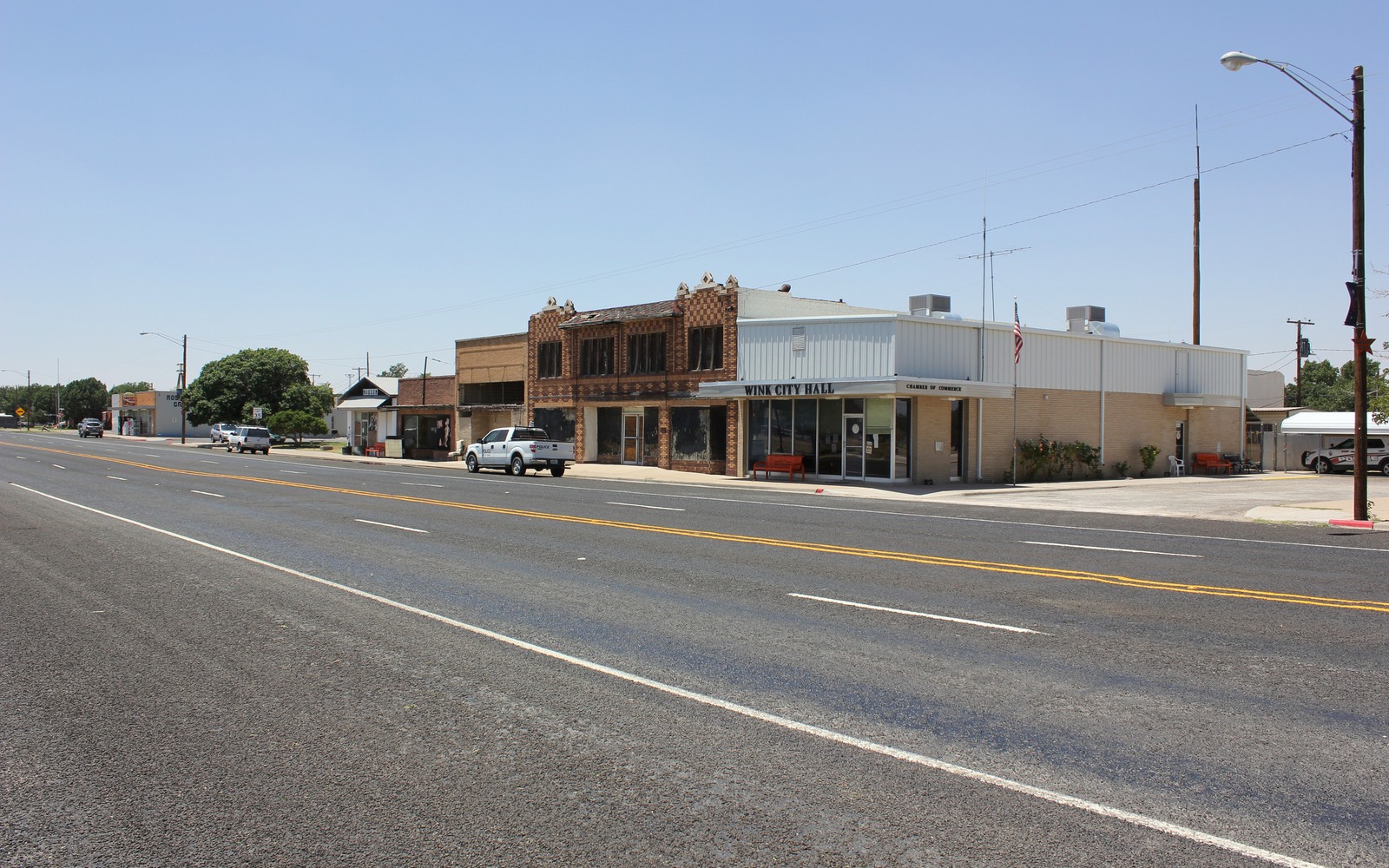
Sell Mineral Rights in Wink, TX
Wink sits over the old Hendrick Field, one of the most productive oil discoveries in Texas history, and that century of drilling has left the mineral records around town more layered than almost anywhere else in the Delaware Basin.
The Hendrick Field was discovered in the 1920s and turned Wink into a genuine boomtown almost overnight. That production never really stopped — it evolved through decades of vertical wells, waterflood operations, and now horizontal Wolfcamp and Bone Spring development stacked above and below the legacy pay zones. If you own minerals near Wink, there's a real chance your interest has been part of active units for generations.
We buy mineral and royalty interests here directly. Whatever your paperwork looks like — decades old or brand new — send it over and we'll give you a straight number.
A century of production means complicated titles
Few places in Texas have as long a production history as the ground around Wink, and that history comes with real title complexity. Original leases from the 1920s and 30s, subsequent unitization agreements, multiple rounds of heirship as original owners passed the interest down — all of it can be layered on a single tract. We're used to untangling this, and it's exactly the kind of situation where an owner benefits from working with a buyer who won't get spooked by an old, thick file.
You may also have heard of the Wink Sink sinkholes just outside town — a well-known local landmark tied to the area's long extraction history. It's a curiosity more than a mineral-value factor, but it's a good reminder of how much has been pulled out from under this ground over the last hundred years.
How legacy production compares to new horizontal wells
An interest tied purely to old vertical Hendrick Field production behaves very differently than one that's recently been pooled into a new Wolfcamp horizontal unit. The older production tends to be in a long, slow decline with steady but modest checks; new horizontal development can bring a sharp initial spike followed by its own decline curve. We look at exactly what your unit is doing now, ahead of which field it's historically associated with.
What to send us first
A recent check stub or division order works best. If your paperwork goes back generations and you're not sure what you actually hold, the Winkler County Clerk's office has records reaching back to the original Hendrick Field leases, and we can help trace it from there.
Open the county file first
The review should identify the county clerk record, legal description, deed chain, reservations, lease, assignments, probate or trust records, unit documents, division orders, payor records, and recent statements that belong to the same tract. City names and surface addresses are useful search clues, but the recorded description controls the mineral schedule.
Match local drilling to the subject tract
Permits, completions, operator acreage, nearby laterals, unit boundaries, field rules, product mix, and basin activity in the surrounding county can supply context. The review should keep offset activity separate from wells and units that actually include the owner's acreage, because a nearby rig is not proof of present ownership or future development.
Compare the complete written offer
A local offer should be read beside the net mineral acres, paid decimal, producing status, depths, products, effective date, included receivables, title standard, curative obligations, permitted deductions, price adjustments, deed language, reservations, payment timing, and closing deadline. A headline price without that schedule is incomplete.
Route Texas-specific questions
Heirship, community property, probate, trust authority, dormant interests, executive rights, pooling, allocation, depth severances, lease interpretation, title defects, tax treatment, and recording procedure can change the sale route for a county tract. Those issues belong with qualified legal, tax, title, engineering, or appraisal professionals before the owner relies on a closing number.
Questions owners ask before selling
Put the Texas Property File in Front of the Review Desk
Send the county, interest type, producing status, and the records already available.