
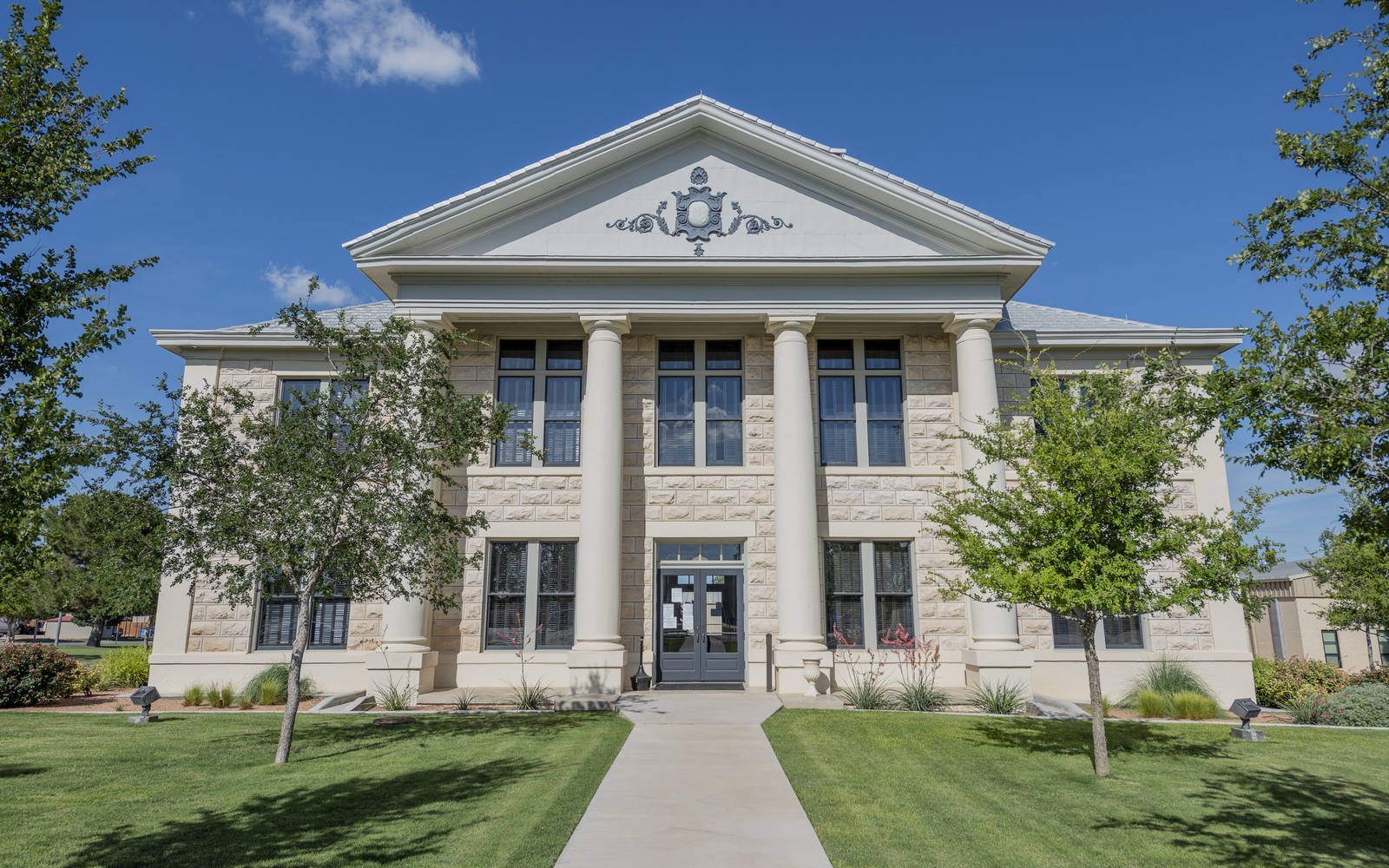
Sell Mineral Rights in Glasscock County, TX
Glasscock County has fewer than three thousand residents but sits on some of the thickest, most heavily developed rock in the entire Midland Basin, and that combination shapes almost everything about owning minerals here.
Glasscock County, with Garden City as its county seat, doesn't get the name recognition of Midland or Martin County next door, but operators know exactly what's under it. This is core Wolfcamp and Spraberry territory, with stacked pay across multiple benches that has drawn dense horizontal pad development for over a decade. If you own minerals in Glasscock County, you're likely dealing with one of the most actively drilled counties in Texas, which changes how you should think about a sale compared to flank or fringe acreage elsewhere in the Permian.
This is also a small, rural county where mineral ownership tends to trace back to a handful of large historic ranches, subdivided over generations among descendants. Understanding your specific chain of title matters more here than almost anywhere else in the state, simply because there's so much active production layered on top of it.
Why Glasscock County is different from the rest of the Midland Basin
The Wolfcamp interval under Glasscock County is unusually thick, with multiple distinct benches, A, B, C, and D depending on the operator's naming convention, all potentially productive from the same surface location. Add in the overlying Spraberry sands and you get a county where a single section might see five, six, or more horizontal wells targeting different depths, all held by the same lease. That density of development is a big part of why Glasscock County acreage carries a reputation among operators as some of the most valuable rock in the basin.
For mineral owners, that density cuts both ways. It generally means more wells, more royalty streams, and more long-term production tied to your interest than you'd see in a single-bench county. It also means the paperwork can get complicated fast, with multiple units, multiple operators over time as leases change hands, and multiple division orders tracking different wellbores under the same tract.
How ranch-scale ownership complicates a sale
Most Glasscock County minerals trace back to a small number of original ranch families whose land has been divided by inheritance across multiple generations. It's common for a single section to have a dozen or more separate mineral owners once you account for every heir, each holding a small fractional interest. If you're one of those owners, your decimal interest on paper might look tiny, but tied to an actively producing multi-well unit in this county, that fraction can still represent real, ongoing value.
Before evaluating any offer, pull your most recent division orders for every well you're aware of instead of just one. Because so many wells can sit on a single tract here, owners sometimes forget they're receiving royalty from more than one wellbore. A buyer who only asks about a single well hasn't done a complete review of your position.
Checking Railroad Commission and courthouse records
Glasscock County deed, lease, and probate records are filed at the courthouse in Garden City. Given how compact the county is and how much drilling has occurred, records here tend to be more thorough and easier to cross-reference than in larger, less-developed counties. Pull well data by section from the Railroad Commission before you talk numbers with anyone, and match every well listed against your own division orders to make sure nothing is missing from the conversation.
If your ownership passed through probate or an unrecorded family agreement, get that cleaned up or at least documented before you try to sell. A buyer working seriously will need clear title, and gaps in the chain slow everything down and can lower what a buyer is willing to offer simply because of the added legal risk.
What actually drives a fair number in this county
Value in Glasscock County tracks how many benches have been drilled and tested on your specific section, how recent the completions are, and whether operators have indicated plans for further development through recent permits. A tract with only one older vertical well is a very different proposition than one sitting under an active multi-well horizontal unit completed in the last few years. Ask specifically which benches have been drilled and which remain, because untested zones on your tract can represent future upside a flat, generic offer won't reflect.
Given how much documented activity exists here, there's little reason to accept a number that isn't grounded in your section's actual well history. Mailbox offers that lean on general Permian Basin talk rather than your specific tract are almost always leaving value on the table.
Questions owners ask before selling
Put the Texas Property File in Front of the Review Desk
Send the county, interest type, producing status, and the records already available.