
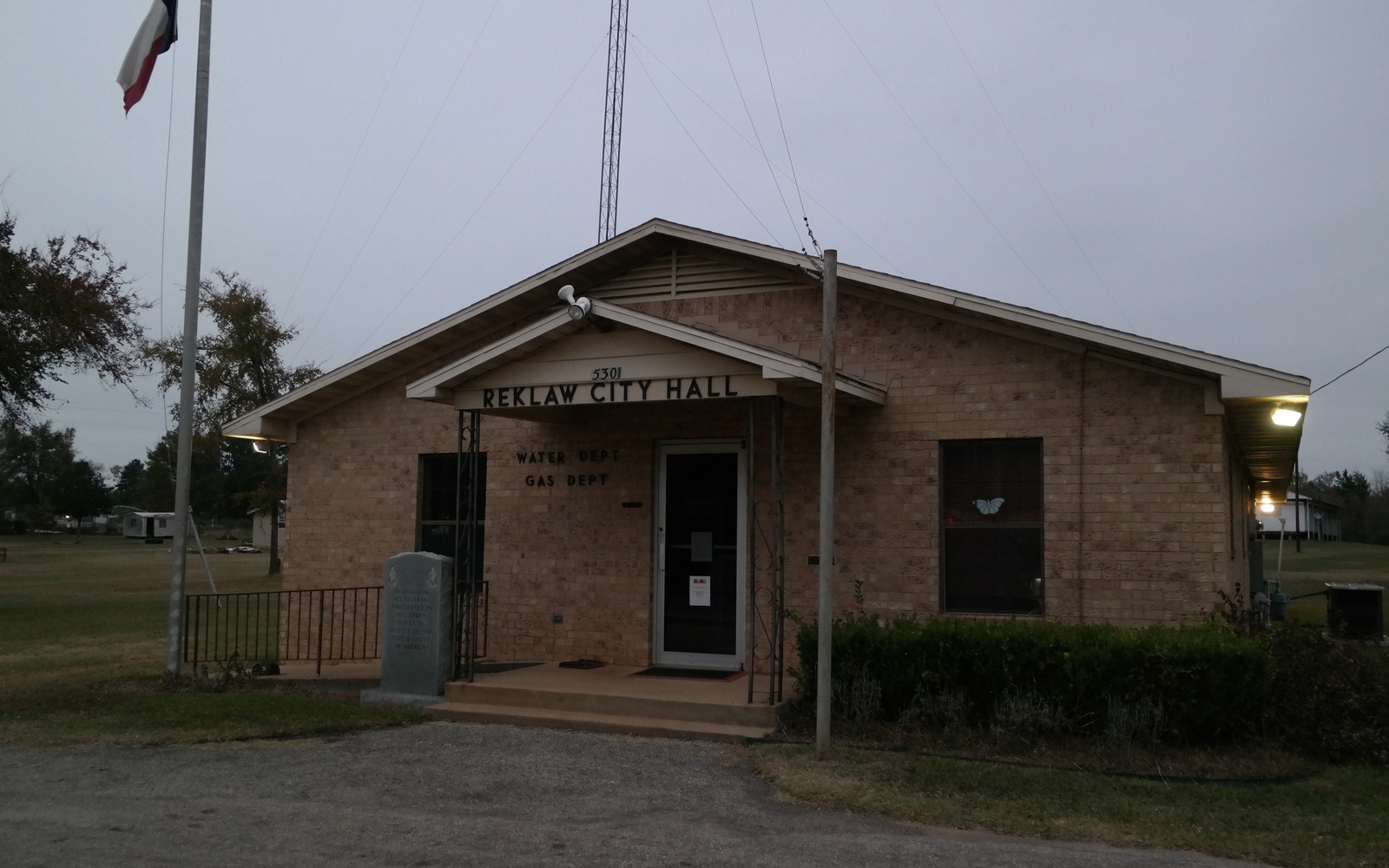
Sell Mineral Rights in Reklaw, TX
Reklaw sits near the Rusk-Cherokee county line, a small community where the legacy of the old East Texas Field oil boom overlaps with newer Haynesville gas activity.
If you own minerals near Reklaw, figuring out exactly which play and which county governs your interest matters more than it might in a more clearly defined area. Border communities like this one can have tracts affected by activity in either Rusk or Cherokee County depending on precisely where the section lines fall.
We buy Reklaw-area mineral interests for cash, and we start by pinning down exactly which county records and which well your interest is actually tied to.
Two Counties, Two Sets of Records
Because Reklaw sits close to the Rusk-Cherokee county line, mineral tracts here may be recorded in either county's clerk records depending on the original survey. Before assuming an offer based on general Rusk County activity applies to your specific tract, it's worth confirming which county actually holds your deed and division order paperwork.
This isn't unusual for border communities in East Texas, and it's a straightforward thing to sort out once we have your legal description.
East Texas Field Legacy Meets Haynesville Gas
This part of Rusk County sits near both legacy East Texas Field oil production, dating back to the 1930s boom, and the more recent Haynesville/Bossier gas trend that reaches into eastern Rusk County. A single family's mineral holdings near Reklaw could include both an old, low-volume stripper oil interest and a separate, newer Haynesville gas interest, each with very different value and decline characteristics.
Understanding which type of production your specific well represents, oil or gas, old or new, is the starting point for any honest valuation of a Reklaw-area interest.
Open the county file first
The review should identify the county clerk record, legal description, deed chain, reservations, lease, assignments, probate or trust records, unit documents, division orders, payor records, and recent statements that belong to the same tract. City names and surface addresses are useful search clues, but the recorded description controls the mineral schedule.
Match local drilling to the subject tract
Permits, completions, operator acreage, nearby laterals, unit boundaries, field rules, product mix, and basin activity in the surrounding county can supply context. The review should keep offset activity separate from wells and units that actually include the owner's acreage, because a nearby rig is not proof of present ownership or future development.
Compare the complete written offer
A local offer should be read beside the net mineral acres, paid decimal, producing status, depths, products, effective date, included receivables, title standard, curative obligations, permitted deductions, price adjustments, deed language, reservations, payment timing, and closing deadline. A headline price without that schedule is incomplete.
Route Texas-specific questions
Heirship, community property, probate, trust authority, dormant interests, executive rights, pooling, allocation, depth severances, lease interpretation, title defects, tax treatment, and recording procedure can change the sale route for a county tract. Those issues belong with qualified legal, tax, title, engineering, or appraisal professionals before the owner relies on a closing number.
Questions owners ask before selling
Put the Texas Property File in Front of the Review Desk
Send the county, interest type, producing status, and the records already available.